
What Body Shape Am I? A Personal Stylist’s Ultimate Guide
Not sure what your body shape is? Understanding your natural proportions can make it much easier to recognise which clothes, shapes and silhouettes work for you.
Our bodies naturally change throughout our lives. Pregnancy, weight changes, hormones, menopause, lifestyle and simply getting older can all alter our proportions — even if the size on the label stays exactly the same.
And yet, we often continue trying to dress the body we had five, ten or even twenty years ago.
Understanding your body shape isn't about putting yourself into a box or following a list of fashion rules. It's about getting to know your proportions and understanding why some clothes seem to fall beautifully while others never quite feel right.
As a personal stylist, I use body shape and proportion analysis as one part of understanding a client's individual style. Here's how you can begin working out yours.
What Are the 5 Main Female Body Shapes?
There are five body shapes you'll most commonly hear referred to in personal styling:
Apple · Hourglass · Pear · Rectangle · Pear · Inverted Triangle
You may also see these described using different names — and very few women fit perfectly into one category. Think of them as a useful starting point for understanding your proportions, rather than a set of rules your body needs to conform to.
How Do I Know What My Body Shape Is?
Start by looking at three things:
1. The relationship between your shoulders and hips.
Are they roughly the same width, or is one noticeably wider than the other?
2. Your waist definition.
Does your waist naturally curve in, or is there less difference between your waist, bust and hips?
3. Where your natural proportions sit.
Look at the overall balance between your torso and legs, where your waist sits and where you naturally have more or less shape.
Stand in front of a full-length mirror wearing relatively fitted clothing, or take a straight-on photograph. Try to look at the overall silhouette rather than focusing on individual areas of your body. You can also take measurements across your bust, waist and hips if you find that easier.
Compare what you see with the five main body shapes below.
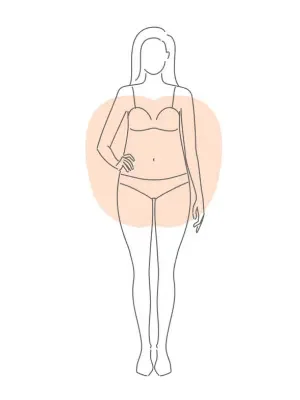
What is an Apple Body Shape?
An apple body shape tends to have more fullness through the centre of the body, often combined with slimmer hips and legs. You may have a fuller bust, less definition at the waist and particularly great legs.
You may be an apple shape if:
You have less definition through your waist.
You tend to have more fullness around your middle.
Your legs and hips are comparatively slim.
You may have a fuller bust or shorter torso.
Rather than thinking about what you need to “hide”, styling an apple shape is about understanding proportion and deciding which parts of your shape you'd most like to celebrate.
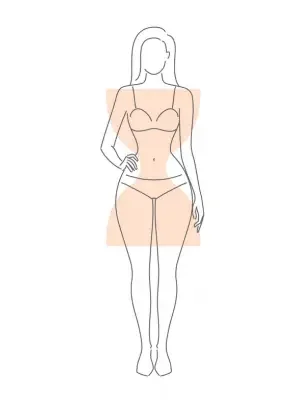
What is an Hourglass Body Shape?
An hourglass body shape has shoulders and hips that are roughly balanced, with a noticeably defined waist. You can be an hourglass at any dress size — it's the relationship between your proportions that matters, not your weight.
You may be an hourglass if:
Your shoulders and hips are roughly the same width
Your waist is noticeably narrower
You have natural curve through both your upper and lower body
Your overall silhouette feels balanced
You might also be a fuller or straighter hourglass depending on your individual proportions.
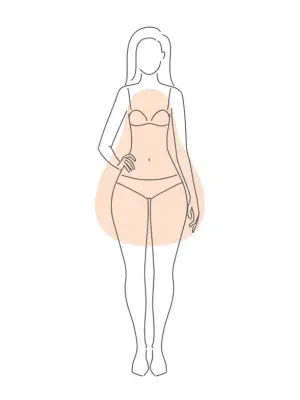
What is a Pear Body Shape?
A pear body shape generally has hips that are wider than the shoulders, with a naturally defined waist. You may have a smaller or narrower upper body with more curve through your hips and bottom.
You may be a pear shape if:
Your hips are wider than your shoulders
Your waist is clearly defined
You have more curve through your lower half
Your upper body is comparatively narrower
Understanding this balance can help you choose silhouettes that work beautifully with your proportions, rather than constantly wondering why something looked different on the hanger.
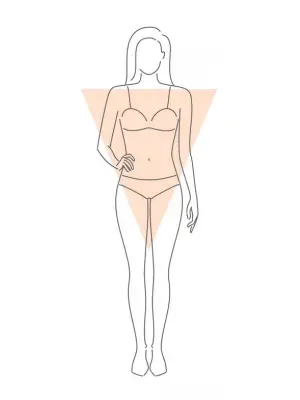
What is an Inverted Triangle Body Shape?
An inverted triangle body shape has shoulders that are broader than the hips.
This can be a naturally athletic shape, with strong shoulders, narrower hips and slim or defined legs.
You may be an inverted triangle if:
Your shoulders are wider than your hips
Your lower half is comparatively narrow
Your waist may have less definition
You often have slim or athletic legs
Clothing can then be used to play with the balance between your upper and lower body depending on the silhouette you want to create.
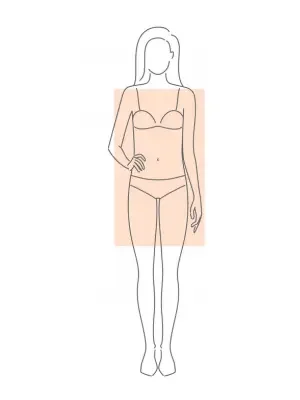
What Is a Rectangle Body Shape?
A rectangle body shape generally has shoulders and hips of a similar width, with less definition through the waist. You might also hear this described as a straight or athletic body shape. Your proportions tend to look relatively balanced from top to bottom and you may have long, lean or athletic-looking limbs.
You may be a rectangle if:
Your shoulders and hips are roughly aligned.
Your waist has relatively little definition.
Your silhouette appears fairly straight.
You often have lean or athletic-looking legs.
When styling a rectangle shape, you can play with proportion and create definition wherever you want it — through shape, structure, layering or volume.
Can Your Body Shape Change?
Absolutely. This is one of the most important things I explain to my clients. Our bodies naturally evolve throughout our lives. Pregnancy, weight loss or gain, hormonal changes, menopause, surgery, exercise and ageing can all change our proportions and the way clothes fit.
You might technically wear the same dress size you did ten years ago and still find that the clothes you used to love don't feel quite right anymore. It doesn't necessarily mean your style has changed. Your proportions may simply have changed — and your wardrobe hasn't caught up yet.
Understanding the body you have today can make it much easier to recognise the cuts, shapes and proportions that make you feel your best.
What If I Don't Fit One Body Shape?
That's completely normal. Bodies aren't geometric shapes, and you may recognise characteristics from two different categories. You might have the shoulders and hips of an hourglass but less waist definition, for example, or broadly identify as a pear while having relatively balanced shoulders.
This is why I don't believe personal styling should become a rigid set of rules based on whether you're an apple, pear or hourglass.
Body shape is a starting point, not your personal style.
The real magic happens when we bring your proportions together with your colouring, personality, lifestyle and the clothes you actually enjoy wearing.
Knowing Your Body Shape Is Only the Beginning
Understanding your proportions can explain a lot of those “why does this never look right on me?” moments. But knowing you're an apple, pear, rectangle, hourglass or inverted triangle doesn't mean you suddenly need to follow a prescribed list of things you can and can't wear. Great personal style is much more individual than that. It's about understanding your colour, your proportions and your personal style — and then using that knowledge to make getting dressed and shopping feel easier.
Want to Discover What Really Suits You?
My Complete Style Discovery combines Colour Analysis, Body Shape Analysis and Personal Style to give you a complete understanding of the colours, silhouettes and styles that work for you.
